Dealing with Child Protective Services (CPS) can be one of the most stressful experiences for any parent or caregiver. At The Law Offices of Joseph H. Nivin, P.C., we help families in Forest Hills, Queens, and Brooklyn navigate CPS investigations, hearings, and the legal system with clarity and confidence. Our goal is to ensure your rights are protected while guiding you through each step of the process. We know how overwhelming it can feel when CPS gets involved in your family’s life. What Is Child Protective Services (CPS)? Child Protective Services (CPS) is a government agency responsible for investigating reports of child abuse or neglect. In New York, CPS operates under the Administration for Children’s Services (ACS) in New York City and under local social service agencies in other counties. When a report is made, CPS must assess the situation to determine whether a child is at risk. This may involve visiting the home, speaking with the child, and contacting schools, doctors, or relatives. Why CPS May Become Involved CPS cases often begin when someone makes a report to the State Central Register of Child Abuse and Maltreatment (SCR). Reports can be made by: Teachers, doctors, or other mandatory reporters Neighbors, relatives, or others who suspect abuse or neglect Law enforcement officers Common reasons CPS becomes involved include: Allegations of physical abuse or neglect Concerns about unsafe living conditions Claims of educational neglect Substance abuse in the home Domestic violence exposure What to Expect During a CPS Investigation If CPS opens an investigation, you may experience: Unannounced visits to your home Interviews with you, your children, or other household members Requests for records, such as medical or school documents Safety assessments of your home environment Investigations usually last 60 days. At the end, CPS will determine whether the allegations are “ indicated” (supported by evidence) or “unfounded.” Your Rights When Dealing With CPS It’s important to understand that you have rights during the process: You do not have to let CPS enter your home without a court order. You have the right to consult with an attorney before answering questions. You can refuse to sign any documents without legal advice. You can appeal decisions made by CPS. Having a family law attorney on your side ensures that CPS respects your rights and that you do not accidentally say or do something that harms your case. How a CPS Lawyer in New York Can Help At The Law Offices of Joseph H. Nivin, P.C., we represent parents and caregivers facing CPS investigations and Family Court proceedings in Forest Hills, Queens, and Brooklyn. We can help you by: Explaining your rights and options clearly Communicating with CPS on your behalf Preparing you for interviews and hearings Representing you in Family Court if necessary Working toward solutions that protect your family’s future Serving Families in Forest Hills, Queens, and Brooklyn We understand the unique challenges families face in New York City. Whether you live in Forest Hills, Queens, or Brooklyn, our team is ready to guide you through the CPS process and advocate for your family every step of the way. Contact The Law Offices of Joseph H. Nivin, P.C. Today If CPS has contacted you or your family, do not wait to get legal help. The sooner you act, the better your chances of protecting your rights and your children. Contact The Law Offices of Joseph H. Nivin, P.C. today for a consultation and let us help you move forward with confidence.

Navigating the Complexities of Child Welfare Law
Child welfare law in New York involves a complex system of protective policies, court oversight, and legal advocacy. When the state, which has a lot of power, intervenes, the process can be overwhelming to all the individuals involved. If you're involved in a case, whether as a parent, caregiver, or family member, you need a clear understanding of your rights and obligations under New York law. With the support of a child welfare attorney in Queens, NY, you can pursue the best possible outcome for your child's future. From a Child Welfare Attorney in Queens, NY: Understanding the Complexities of Child Welfare Law When someone reports suspected child abuse or neglect to the New York State Central Register, Child Protective Services (CPS) opens an investigation. You may face a home visit, interviews, and a risk assessment at that point. If CPS believes the child to be in any immediate danger, they may remove the child from your custody before a court hearing, but you have a right to a prompt hearing before a judge who will determine whether the removal was lawful and necessary. Working With Attorneys for Children and CASA Volunteers Children involved in abuse or neglect proceedings are represented by an attorney. This lawyer is independent of the court and CPS. When fighting against allegations of child abuse, parents will need to secure their own attorney. The court can provide an attorney to those who cannot afford to secure their own representation. In some cases, a CASA (Court Appointed Special Advocate) volunteer may also work on the case, offering additional support to assess the child's needs at school, in therapy, and at home. Preventing Removal and Supporting Family Preservation New York courts favor family preservation in all cases where the child is not in danger. CPS may offer services like parenting classes, therapy, and supervised visits instead of removal. If a court determines that home-based intervention isn't enough, your child may be temporarily placed with a relative or licensed foster family. Every placement decision must promote the best interests of the child's safety, mental health, and emotional well-being. Pursuing Appeals and Modifications in Child Welfare Cases When a family court issues a decision in a child welfare case, you are not without further legal options. In New York, you can appeal a court's ruling if you believe it was based on incorrect facts or legal errors. Filing an appeal gives you an opportunity to have the case reviewed by a higher court. Additionally, child welfare cases are not static, and changing circumstances can lead to different legal outcomes for you and your child. If you make progress in a treatment plan, improve housing, or address safety concerns, you may petition the court for modifications to visitation, custody arrangements, or placement decisions. These legal avenues allow you to continue protecting your parental rights and ensure your child's needs are met as family dynamics evolve. We guide clients through each step of this process to ensure that the child's rights are protected. Whether you're facing an investigation, attending court hearings, or seeking custody of a relative's child, you need support from experienced attorneys who understand the nuances of New York's legal system. Schedule a consultation with us today at The Law Offices of Joseph H. Nivin, P.C. in Queens, NY, where we protect your rights and advocate for outcomes that prioritize your child's well-being.

What Constitutes Child Abuse and Neglect in New York?
If you've been accused of child abuse or neglect, or suspect someone of abusing a child, contacting a child abuse attorney should be your first course of action. An attorney understands the justice system and can offer knowledgeable insight into your situation. The state of New York has an intricate definition of what constitutes child abuse and neglect, and it is wise to consult an attorney who is well-versed in this sensitive subject. What Constitutes Child Abuse and Neglect in Forest Hills, NY? The New York City Administration for Children's Services defines child abuse or neglect as the action or inaction of a parent or caretaker that results in serious physical or emotional harm, sexual abuse, exploitation, or death of a child under the age of 18. Signs of Child Abuse Physical child abuse can happen when a parent, guardian, or caretaker inflicts or allows another to inflict physical injury to a child intentionally. There are several scenarios that are considered abuse of a child, such as shaking, kicking, beating, punching, biting, or burning a child. Physical child abuse also includes situations where a parent or caretaker creates or allows to be created a scenario that leads to a child incurring serious physical injury. Child sexual abuse consists of any act that exposes a child to sexual activity. This includes but is not limited to incest, rape, intercourse, fondling a child's genitals, and sodomy. Prostitution and production of pornography involving a minor also fall under this category. Signs of Child Neglect Child neglect consists of a parent, guardian, or caretaker failing to provide a child with what is necessary for the child to survive. This category includes failing to provide food, clothing, shelter, medical care, and proper supervision to a degree that the child's health and safety are at risk. This category also includes using corporal punishment to a degree that is beyond what is objectionably accepted, and the punishment results in physical or emotional harm. What is considered child neglect in New York focuses on the lack of health, safety, and well-being of a child. Examples of this include, but are not limited to, depriving a child of necessary education, not following up with a child's educational provider even after the school has contacted the parent or caretaker, failing to provide proper food, clothing, and shelter, and subjecting a child to humiliation or extreme criticism. When to Consult an Attorney If you are facing allegations of child abuse in New York or suspect someone you know is abusing a child, it is best to consult an attorney. An experienced attorney and their legal team will be well-equipped to do what it takes to protect a wrongly accused individual or the rights of the affected children. Contact The Law Offices of Joseph H. Nivin, P.C. in Queens, NY, for your free consultation today. Our dedicated legal team is well-acquainted with the New York justice system and is prepared to do what it takes to protect the rights of the children of the Forest Hills community.

Ask a Lawyer: What Determines the Amount of Child Support in NY?
If you're involved with the divorce and need to work out issues with child support, always talk with a Queens, NY child support lawyer to get specific information on your unique case. There are some general guidelines to know, however about what goes into calculating child support here in New York. Calculating Assets and Needs The first step in making the calculation is figuring out exactly what income the parents have as well as the needs of the children and certain financial obligations that the parents can't get out of. This gives you your actual amount of net income. Child support is calculated from net income, not total gross income. To calculate each parent's income, you look not only at the money they make from their job but also at any pensions, unemployment or worker's compensation benefits they are collecting, retirement benefits, income from a rental, fellowships or grants, annuities, or any other source of money that's coming in. From this, you then deduct certain expenses that the parents are obligated to cover, most obviously taxes. Other things that are deducted might be child support the parent is already paying, alimony payments, or certain expenses that they require to run their business. The final thing to look at is whether the children have any special needs beyond what children ordinarily require, such as if a child has a health condition. The Formula In most cases, the state uses a simple formula to calculate how much percentage of the paying parent's income should be given in child support. In general, the parent who is paying support would be expected to pay 17% of their net income for one child, 25% for two children, 29% for three, 31% for four, and 35% for five or more children. Exceptions There are possible exceptions for low-income situations. To find out if you qualify for these exceptions, you must talk with an experienced family law attorney. Generally, however, if paying according to the formula above would reduce the parent's income to below the federal poverty line, then the court will typically order them to pay just $25 a month. If it would bring them below the New York State poverty line, they would be responsible for a bit more, but still not nearly as much as the formula above would typically require. Who Pays? In most cases, the non-custodial parent – i.e., the parent the child is not living with –is the one required to pay child support. However, the court can require either parent to pay for, or share payment for, certain extra expenses that a child might need. These are usually healthcare or educational needs. If you need help in calculating child support, pursuing a spouse who is failing in their support obligations, or if you need to get your own support payments lowered, contact the Law Offices of Joseph H. Nivin, P.C. in Queens today.
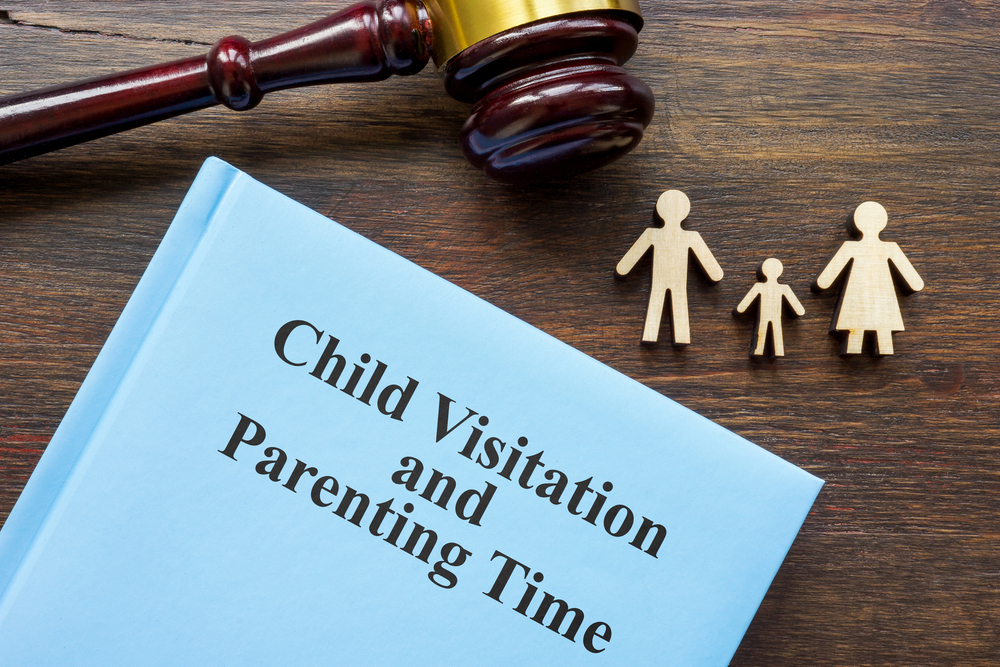
Ask an Attorney: What Are My Visitation Rights as a Noncustodial Parent?
New York courts try to balance a child's best interests with the rights of both parents and make sure, if possible, that both custodial and noncustodial parents play a role in their child's upbringing. Here's a short explanation from a custody attorney in Queens, NY, on what visitation rights look like in New York for noncustodial parents. What Are My Visitation Rights as a Noncustodial Parent in New York? Answers from a Custody Attorney in Queens, NY In New York, it is generally recognized that a child benefits from having both parents involved in their life, even after separation or divorce. For this reason, noncustodial parents are typically granted regular visitation unless there is evidence showing that such contact would harm the child. What Is the Role of the Court in Determining Visitation? If the custodial and noncustodial parents cannot agree on a visitation schedule, the court will establish one. New York courts prefer arrangements that ensure regular contact between the child and both parents, and if you and the other parent are able to work out a schedule on your own that meets this requirement, the court usually prefers families to decide for themselves how to arrange visitation.Even in situations where the parents disagree or have a contentious relationship, the court aims to facilitate consistent visitation for the noncustodial parent unless there are circumstances that suggest it would be unsafe for the child. Supervised visitation might be ordered if the court believes the child's safety could be at risk but still wants to preserve the parent-child relationship. Can Visitation Rights Be Denied? A noncustodial parent's access to their child may be limited or denied entirely if there are serious concerns about the parent's ability to provide a safe and stable environment. If there is evidence of abuse or neglect, substance abuse issues, a history of domestic violence, or psychological instability, the court might restrict visitation or require supervised visits.If the court does deny visitation, it may be possible to petition the court for a modification of the order once the situation has improved. Can Visitation Rights Be Modified? As circumstances change, either parent can request a modification of the visitation order. Modifying visitation typically requires that you demonstrate there's been a significant change in circumstances since the original order was issued, such as changes in one of your work schedules, the child's needs, or other factors that would affect the visitation arrangement. What Happens If One Parent Violates the Visitation Order? If the custodial parent refuses to honor the visitation schedule, the noncustodial parent can file a petition with the court to enforce the visitation order. The court may impose penalties on the custodial parent for non-compliance, and these can be anything from fines to a change in custody arrangements in severe cases. If the non-custodial parent repeatedly fails to show up for scheduled visits, the custodial parent can also take legal action. The court may adjust the visitation schedule or impose conditions on future visits. For more information on your visitation rights or assistance with a visitation dispute, contact the Law Offices of Joseph H. Nivin, P.C., in Queens, NY.

Ask a Custody Lawyer: How Is Child Custody Determined in New York?
Custody is always a contentious part of any divorce, and if you are trying to ensure you have custody of your children, or fight against an ex-spouse you know is unsafe for your kids to be around, be sure to talk with a Queens, New York custody lawyer as soon as possible to have the best chance of winning your case. The "Best Interests of the Child" In New York, the standard for determining custody is always "the best interest of the child." If abuse or violence is an issue in the relationship, then the best interest of the child become pretty clear and simple to work out. In the majority of cases, however, the court has to look at a wide variety of factors in making this decision. Some of what the court will look at will be whether the child has any special needs and if one parent would be better able to take care of those needs in the other. The court will also look at how long the child has been living with either of the parents, whether the child's primary home is still the primary home of one or the other parent, whether the child has any siblings and where they are living, and the basic home environment being provided by each parent. In addition, the court will consider some things specific to the parents, such as their relationship with a child, any issues with alcohol or drugs, whether either or both have been providing well for the child already, and the overall mental, physical, and financial stability of each parent. Finally, the court will consider the wishes of the child, especially for older children. This will not be a deciding factor: only one factor of many. Types of Custody The court may decide to give joint custody to the two parents. In other cases, only one parent may be given custody of the child, with the other parent usually able to visit according to a schedule worked out by the two parties or the court. There are two types of custody: legal and physical. Physical custody, of course, refers to whom the child lives with. It's possible for one parent to have sole physical custody with the other parent allowed to visit and still enjoying "legal custody." Legal custody refers to the right to make the most important kinds of decisions for your child, such as about their education and medical needs. In most cases, the court will default to giving legal custody to both parents unless there's a very compelling reason one parent should not be allowed to have a say. If you're in a custody battle already or facing one soon, having a lawyer will mean peace of mind, and everything will go more smoothly than it could without a family law attorney to help. Contact the Law Offices of Joseph H. Nivin, P.C. for help in Forest Hills, Queens, and throughout the area.
To mediate or not to mediate (your divorce).
On Behalf of The Law Offices of Joseph H. Nivin, P.C. In recent years, many couples have been drawn to mediation as an alternative to going to court. It is an attractive option because of the benefits it offers: less expense, a faster divorce, confidentiality, a less formal way of divorcing and more control for the couple when it comes to making decisions about their assets and their futures. However, mediation is not appropriate in every case. While mediation is highly effective, it is most effective in cases involving collaborative couples, parties who are willing to negotiate and compromise in good faith. When is mediation a good option? Generally, mediation is optimal for cases where the parties get along, at least to a certain extent. In addition, mediation is ideal for cases where: The parties have some idea of what they want and what the other party wants The parents have no strong objections to compromising and negotiating The couple understands that they will get some things they want but not others There are no extreme factors like domestic violence or other criminal activity In essence, a successful mediation requires parties who are willing to work together to solve problems and who do not need help beyond the scope of what the mediator can provide. When is mediation not the best choice? In some cases, mediation is not appropriate, and traditional litigation is the best course of action for a divorcing couple. For example, in cases where: There is domestic violence or any other alleged criminal activity There is significant conflict, and attorneys for the parties have discovered lies on the part of one or both parties, whether withholding financial information or other inappropriate activities The couple cannot see eye to eye, and their goals, relating to what they wish to get out of the divorce, are extremely far apart from the other person In such cases, judges and court staff can help. Courts provide a structured process, where you are usually represented by counsel and where you can provide evidence, testimony and make your arguments. At the end of the process, the judge will decide based on the law and the evidence provided to the court.
Factors the courts consider in custody determinations
On Behalf of The Law Offices of Joseph H. Nivin, P.C. There are many misconceptions about child custody determinations ranging from mothers receiving preferential treatment to the courts automatically mandating an even split of custodial time. The truth is that every custody case is unique and there are no automatic rulings. The courts consider a variety of factors to determine the ideal custody situation. Understanding what the court considers may help you understand your potential custody ruling. Caregiver status If one parent serves as the primary caregiver, has a stronger and closer bond with the child or shows more experience and understanding of any special needs, that relationship factors into the custody determination. Awarding primary custody to that parent reduces the emotional upheaval and trauma for the child. Parental capabilities The courts also consider each parent’s capabilities. If one parent lacks the parenting skills or necessary time to commit to raising the children full-time, the other parent may receive primary custody. Children need a capable, supportive and stable environment. Sibling relationships The relationships between siblings also factor into the ruling. When a child has established bonds with siblings, judges often try to preserve those relationships. Awarding primary custody in a way that keeps all of the siblings together helps reduce isolation issues and fosters stronger relationships. Child’s preference When children are old enough, judges often ask for feedback about which parent the child wishes to live with. While the child’s preference does not automatically guarantee a ruling, it can contribute to the decision. Misconceptions about custody rulings can be troubling. These are important facts to consider before you go to court.
What is parental alienation?
On Behalf of The Law Offices of Joseph H. Nivin, P.C. One of the most important things divorced parents can do for their children is work as a team to provide love and stability. Sadly, sometimes one parent not refuses to work as a team with the other, choosing instead to involve the child in the conflict through a tactic known as parental alienation. Parental alienation and parental alienation syndrome Parental alienation is an effort by one parent to manipulate a child and turn him or her against the other parent. This can result in a series of behavioral symptoms seen in the child, known as parental alienation syndrome. Common parental alienation tactics A parent engaging in parental alienation will often attempt to degrade and vilify the target parent. This may include name-calling, oversharing details of the divorce or even making false accusations of abuse. Interfering with parenting time is a common parental alienation strategy. The alienating parent may interrupt the child’s time with the target parent or intentionally schedule conflicts during this time. Parental alienation may also involve withholding information. Refusing to share information about school, appointments or important events can damage the relationship between the child and the target parent. Symptoms of parental alienation syndrome Children who have experienced parental alienation often display strong, irrational anger and resentment toward the target parent. In contrast, they might show unwavering loyalty to the alienating parent. When questioned about this change in attitude, the child may repeat comments and accusations he or she has heard from the alienating parent. At the same time, the child might emphatically deny that the parent is influencing the behavior, even when it is clear that the child is parroting the parent’s words. Parental alienation harms everyone involved. Divorced parents should be aware of the warning signs and note any concerning changes in behavior.
Additional considerations for custody with special needs children
On Behalf of The Law Offices of Joseph H. Nivin, P.C. In most cases, child custody and visitation get split equally between parents in a divorce to preserve the parental relationships with the child. Although this is the standard expectation, certain situations call for a different approach. If you have children with special needs, there are other considerations that apply in a custody determination. Consider these elements as you approach the custody hearing for your special needs children. What accommodations do the children need? Special needs children often need a variety of accommodations depending on the nature of their disability or diagnosis. For example, children on the autism spectrum may need full-time care, secure living environments and additional support. Children in wheelchairs need accessible living, including wider hallways and doors as well as ramps and other navigational support. Are both parents capable of providing those accommodations? If the marital home is already modified to suit the children’s needs but one parent has since moved out, ensure that both homes are safe and accessible for the children. This includes wheelchair access if necessary and security doors for children who need extra protection. If one parent is unable to meet those needs, address those concerns in court. Custody arrangements and visitation schedules must account for the safety of the child, and that includes the living arrangements and ability to meet special needs. Special needs children require additional considerations with custody and visitation orders. Ensure that both homes are safe or adapt the visitation so that it happens in your child’s supportive, safe living environment.
Common reasons for judges to modify child custody orders
On Behalf of The Law Offices of Joseph H. Nivin, P.C. Child custody arrangements happen when the parents of minors dissolve their marriages. Divorce courts consider many factors when determining the most favorable situation. When an order becomes official, it tends to feel final. That said, there are many reasons why a judge may eventually want to alter an original agreement. Parent relocation When one parent moves far away from another, there is likely to be a significant impact. Traveling to maintain the current courtroom order may become overly burdensome. To compensate, alterations in scheduling are often justifiable. Child need The stages of childhood development are rapid. What could seem appropriate at a particular time may no longer be sensible. It might become clear that one school system provides a better fit than another. When a doctor identifies a developmental delay, it warrants proximity to psychological professionals. Parent situation A mother or father could overcome a problem that triggered receiving less time with a child. Noncustodial parents might escape a struggle with addiction. Persistent depression could vanish with appropriate treatment. Courts weigh the conquering of these types of personal hurdles. Child endangerment Physical, sexual and psychological abuse remain intolerable. Information sometimes surfaces that suggests a parent is putting a juvenile at risk. Courts typically rush toward corrective actions when evidence of such behavior appears. Family courts try to be responsive in the face of situational changes. Still, they only act once they become aware of relevant factors. How one presents the reasons for a modification has a way of affecting the results.
Common reasons for judges to modify child custody orders
On Behalf of The Law Offices of Joseph H. Nivin, P.C. Child custody arrangements happen when the parents of minors dissolve their marriages. Divorce courts consider many factors when determining the most favorable situation. When an order becomes official, it tends to feel final. That said, there are many reasons why a judge may eventually want to alter an original agreement. Parent relocation When one parent moves far away from another, there is likely to be a significant impact. Traveling to maintain the current courtroom order may become overly burdensome. To compensate, alterations in scheduling are often justifiable. Child need The stages of childhood development are rapid. What could seem appropriate at a particular time may no longer be sensible. It might become clear that one school system provides a better fit than another. When a doctor identifies a developmental delay, it warrants proximity to psychological professionals. Parent situation A mother or father could overcome a problem that triggered receiving less time with a child. Noncustodial parents might escape a struggle with addiction. Persistent depression could vanish with appropriate treatment. Courts weigh the conquering of these types of personal hurdles. Child endangerment Physical, sexual and psychological abuse remain intolerable. Information sometimes surfaces that suggests a parent is putting a juvenile at risk. Courts typically rush toward corrective actions when evidence of such behavior appears. Family courts try to be responsive in the face of situational changes. Still, they only act once they become aware of relevant factors. How one presents the reasons for a modification has a way of affecting the results.

118-35 Queens Boulevard Suite 1220A
Forest Hills, NY 11375
Phone: 347-657-6271
Fax: 347-480-1603
Get Directions